
The allure of chance and its impact on decision-making
The psychology of decision-making in casino games is intricately tied to the allure of chance. Players are often drawn to the unpredictability of outcomes, which creates an environment ripe for emotional engagement. This engagement enhances the thrill of participation, leading to a state known as “gambling flow,” where players lose track of time and become deeply absorbed in the experience. Furthermore, many players explore options such as online casinos, which can skew their ability to make rational decisions, often resulting in impulsive bets based on emotional highs or lows.
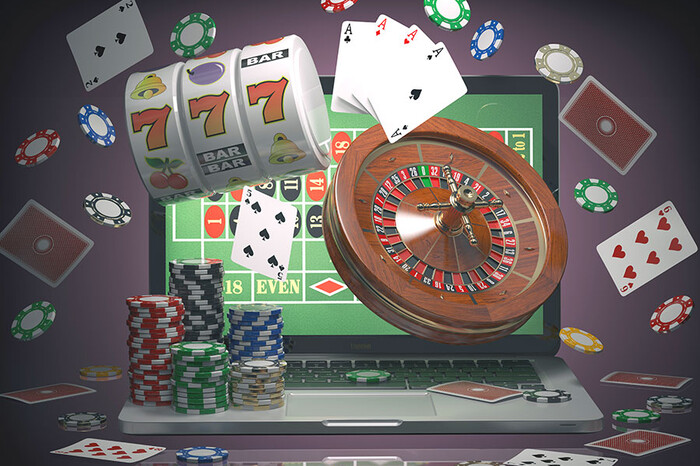
Moreover, the excitement of potential rewards plays a significant role in player decision-making. The prospect of winning big can cloud judgment, driving players to make choices they might not consider in less exhilarating circumstances. Casinos capitalize on this through immersive environments, enticing sounds, and vibrant visuals, all designed to heighten emotional responses and reduce self-control, ultimately influencing players to gamble more than they originally intended.
Cognitive biases and their influence on gambling choices
Cognitive biases profoundly affect how individuals approach decision-making in casino games. One common bias is the “illusion of control,” where players believe they can influence or predict outcomes in games of chance. For instance, a player might think their strategy will improve their odds in a game like poker, despite the game’s inherent randomness. This belief can lead to overconfidence and increased betting, further entrenching them in cycles of decision-making that prioritize excitement over logical evaluation.
Another relevant bias is the “sunk cost fallacy,” where individuals continue to invest in a losing game to avoid the feeling of loss. This can result in players chasing their losses, convinced that a win is just around the corner. Such decisions are emotionally driven rather than based on rational assessments of the game’s odds, which can have significant financial implications.
The role of social dynamics in gambling behavior
Social dynamics also play a crucial role in the decision-making processes of players in casino settings. The presence of others, be it friends or strangers, can influence risk-taking behaviors significantly. In a lively casino environment, the cheer and reactions of fellow players can create a contagious excitement that encourages individuals to make bolder bets than they might when gambling alone. This phenomenon highlights the social aspect of gambling, which can lead to changes in decision-making patterns based on group psychology.
Moreover, peer pressure can prompt players to engage in riskier behaviors. When surrounded by others celebrating wins, individuals may feel compelled to match that energy, pushing them towards decisions outside their comfort zone. This interplay between individual psychology and social interaction can create a unique setting where decisions are heavily influenced by the collective atmosphere of the casino.
The impact of cognitive load and emotional state
Cognitive load, or the amount of mental effort being used in working memory, also influences decision-making in gambling scenarios. When players are under stress or fatigue, their ability to process information diminishes. This can lead to hasty decisions or a reliance on heuristics—mental shortcuts that simplify complex problem-solving. In the high-stakes environment of a casino, where decisions must be made rapidly, cognitive overload can result in suboptimal choices that stem from a lack of thorough analysis.
Emotional states play a pivotal role in shaping how players make decisions as well. Stress and anxiety can lead to risk-averse behavior, while happiness can encourage more adventurous betting. Understanding this emotional connection can help casinos tailor their environments to promote desired behaviors. By manipulating factors like lighting, music, and even the layout of the games, casinos can create experiences that cater to the psychological profiles of their patrons.

Ensuring a secure and responsible gambling experience
As casinos continue to evolve, it is paramount to prioritize a secure and responsible gambling environment. The psychological aspects of decision-making highlight the need for protective measures that help players make informed choices. A secure platform can mitigate risks associated with impulsive betting and cognitive biases, fostering a healthier approach to gambling. Responsible gambling initiatives play a crucial role in this, offering players resources and support to help them navigate their experiences more safely.
Moreover, understanding the psychology behind gambling can lead to better strategies for both players and operators alike. Fostering awareness of cognitive biases, emotional states, and social influences can empower players to make more deliberate decisions. As websites invest in technology and security to enhance user experiences, they also contribute to creating a safer gambling landscape, allowing players to enjoy the thrill of the games while minimizing adverse outcomes.